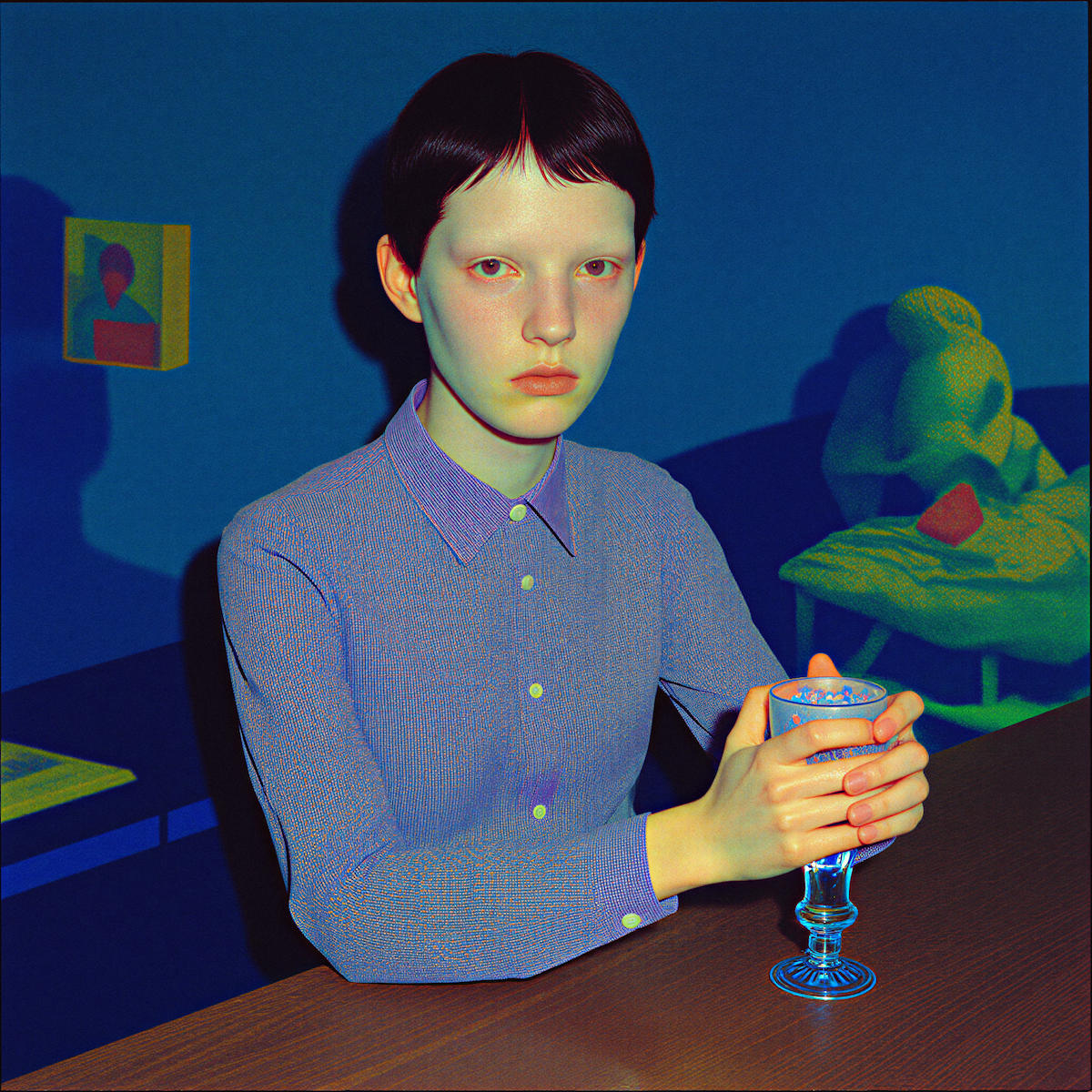
The image as a philosophical problem
Francesco D’Isa, born in Florence in 1980, is an artist, writer and curator trained in philosophy. He worked with drawing, painting and digital images before the current generative boom; AI enters his practice as a problem of knowledge and responsibility, rather than simply a style.
His question concerns the shifting boundary between intention and result. A probabilistic system produces variations that the author does not entirely control; the work emerges in the way those possibilities are requested, selected, discarded, edited and made public.
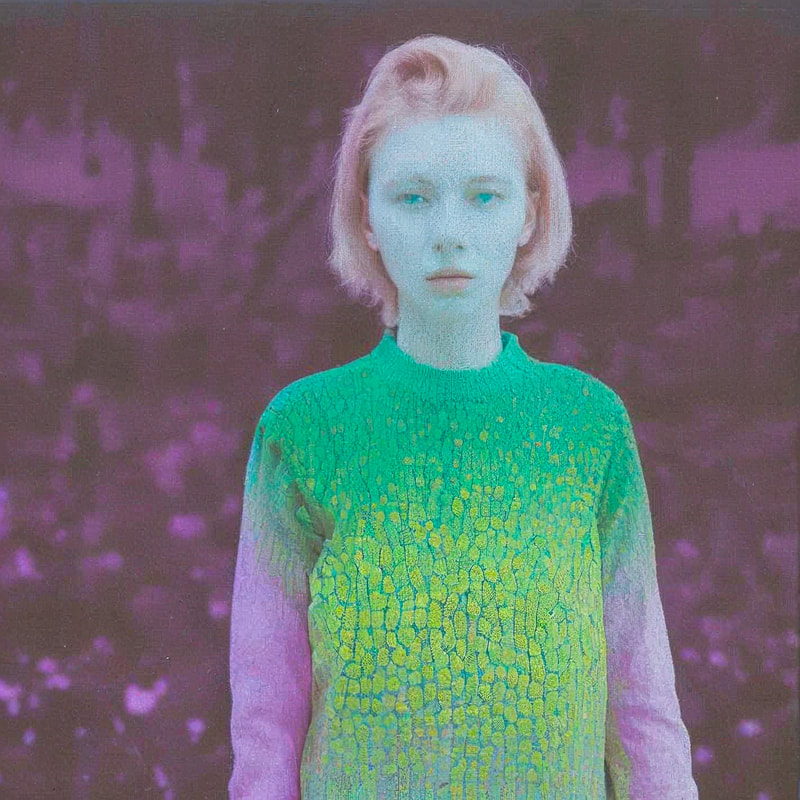
Losing control does not mean losing authorship
Generative error interests D’Isa because it interrupts the illusion of the sovereign author. Errancies and Errors turn incongruity into form: anatomies, faces and environments seem recognisable, but something prevents them from settling.
Authorship moves from the manual execution of every detail to the construction of rules, critical selection and acceptance of responsibility for the final image. Chance does not absolve the artist: it gives him more results to judge.
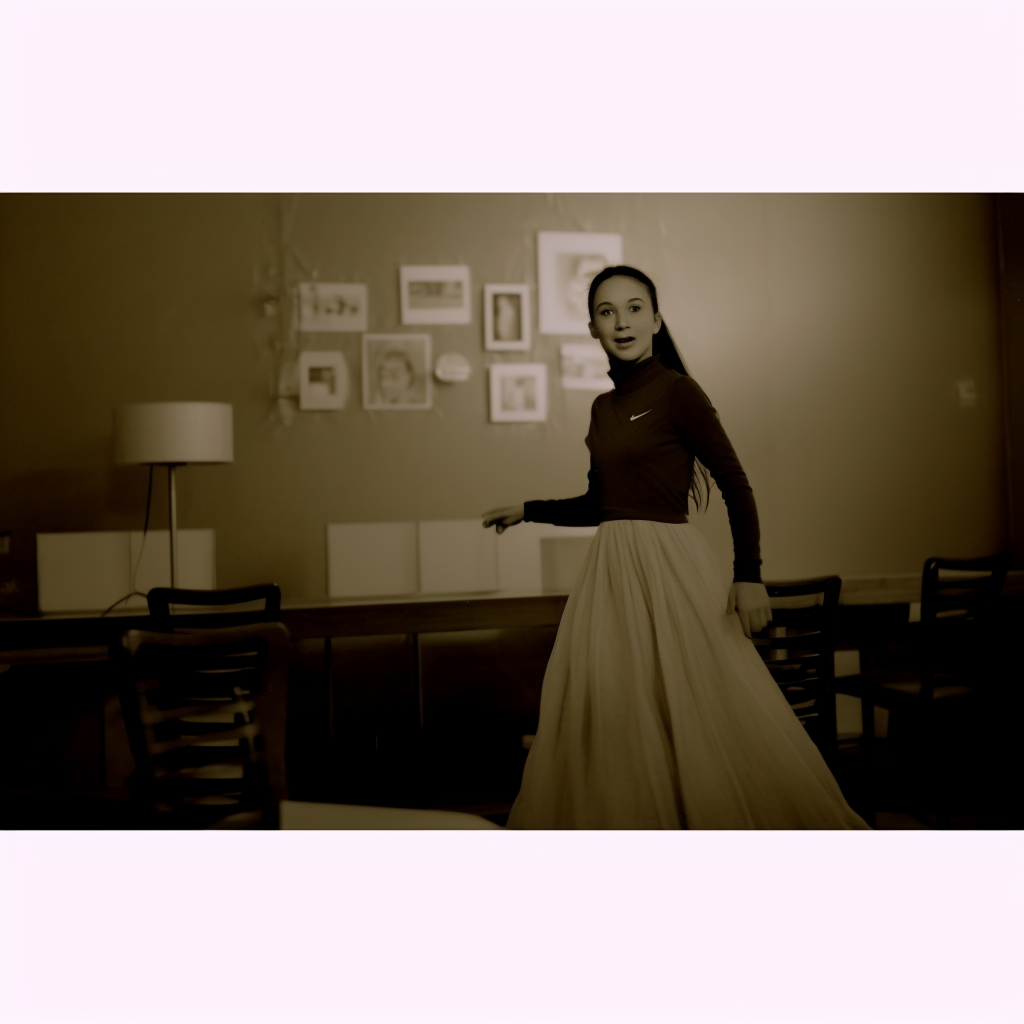
From drawing to the model: a material continuity
Defining D’Isa solely as an AI artist would erase his history. Self-taught in visual art, he has published graphic novels, essays and novels, and exhibited digital and traditional works in numerous countries. Drawing and image manipulation remain tools for thinking about the body.
The generative model continues this attention, but introduces a latent space: forms are not stored as finished images; they emerge from statistical relationships. The critical work consists in making the distance between cultural archive and new figure visible.
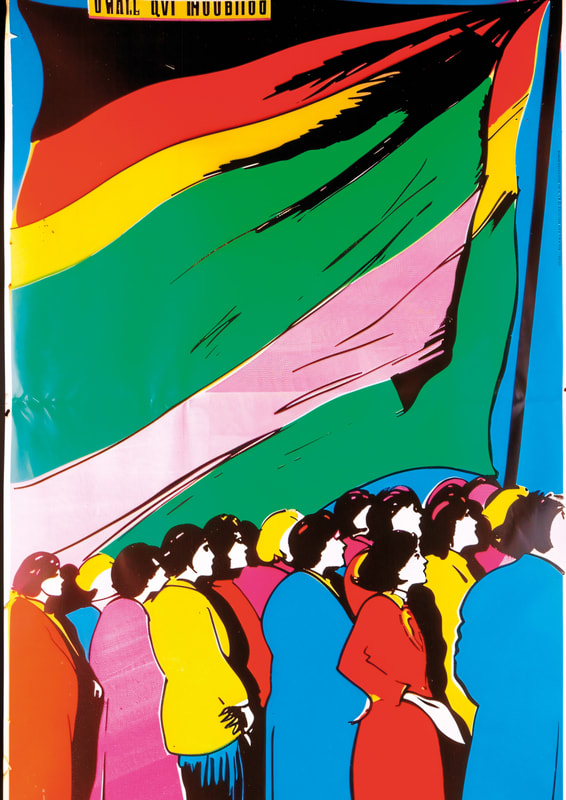
AI Manifesta: the image is also political
Datasets, human labour, computing power, industrial concentration and copyright participate in form as much as colour does. D’Isa also addresses these themes in his writing, questioning technological monopoly, ethics and the move beyond the traditional idea of the author.
AI Manifesta can be read within this tension: the image seduces, but asks us to look at the infrastructure that makes it possible. The politics of the work arises from how production and circulation are made legible.
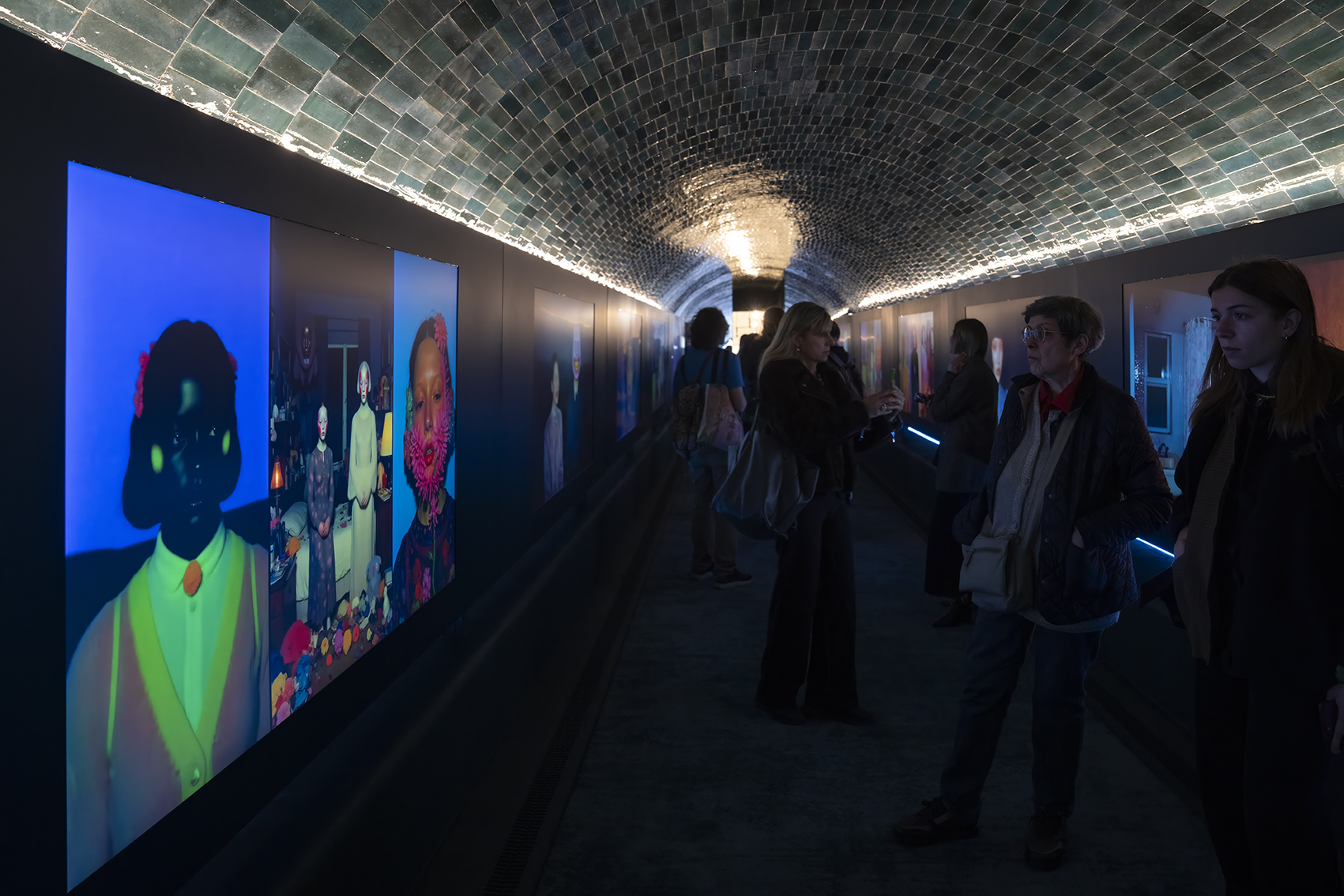
Latent Rooms: the process enters space
When images enter an exhibition, they cease to be files consumed in sequence. Latent Rooms constructs relationships between scale, distance and repetition: physical space restores duration to a production that risks becoming an undifferentiated stream online.
The latent room is also an effective metaphor. The model contains possibilities that we cannot see all at once; the exhibition materialises some of them and makes curatorial selection part of the work.
How to read and collect the work
The artwork, file, model and process need to be distinguished. A print may be unique or editioned; a video may require a master and display specifications. Certificate, rights, conservation and disclosure of the tools used must be explicit.
The most useful criterion remains coherence with his books, drawing, philosophy and earlier research. If technology is removed and no question remains, the work is fragile. In D’Isa’s case, the question of the author remains even when the model changes.
Sources & links
Sito ufficiale dell’artista